

Places to Visit and Accommodation Recommendations for the Holiday in Datça
Are you thinking of going to Datça during the holiday? If you’re curious about what awaits you on this peninsula where ancient towns, crystal-clear coves, and a peaceful atmosphere come together, you’re in the right place.
In this guide, we take a detailed look at the hidden corners of Datça, from the ancient city of Knidos to the old streets of Datça, and the secluded coves of Kızlan and Yel Değirmenleri.
We have prepared comprehensive content that will help you plan your holiday from start to finish, including accommodation recommendations, transportation information, and answers to frequently asked questions.
A Complete Guide to Places to Visit in Datça
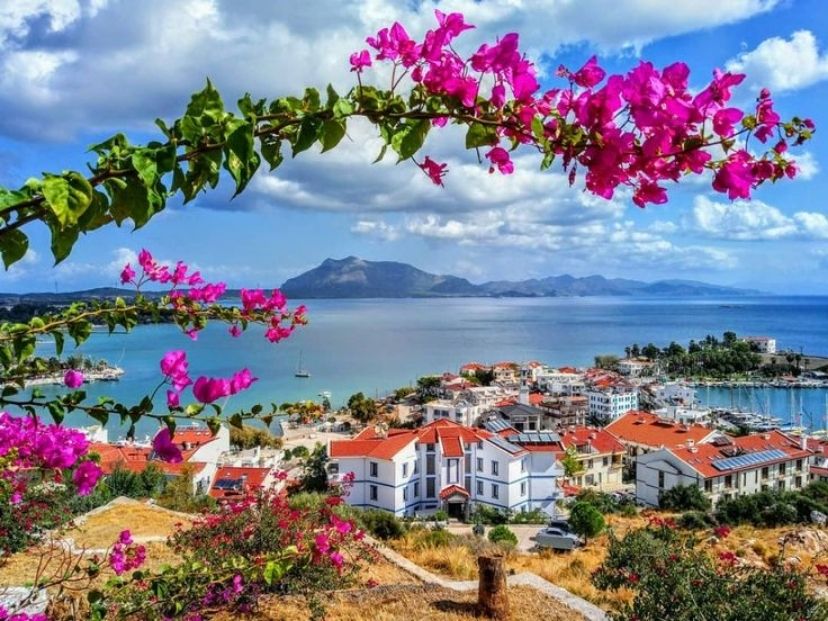
Datça is one of the most special destinations among the places to visit during the Holiday, offering everything from ancient cities to calm coves, from hilltop panoramic views to tranquil beaches. Datça, which captivates with its geography just like the Muğla line, Aegean and Mediterranean coasts, is truly worth discovering. Unlike many holiday destinations, Datça keeps its unspoiled nature — ancient cities, traditional villages, windswept hills and cool coves full of turquoise waters. For those who want to escape the noise and bustle of holiday resorts and reach a peaceful atmosphere, Datça is a perfect fit. The peninsula is approximately 70 km long; renting a car makes exploring it easier, though it is also possible to reach the center and many points by minibus or dolmuş.
Datça Knidos Ancient City
Knidos Ancient City, built on a small peninsula extending into the sea at the westernmost tip of the Datça peninsula, is one of the most important historical sites in the region. The city, which played a significant role in the competition between Aphrodite and Praxiteles, is also home to one of the world’s most remarkable works of art. Located at the exact intersection point where the Aegean and Mediterranean meet, Knidos was a culturally and geographically exceptional city. With its ancient theater, lemon grove, columns, and open-air areas with artifacts and their surroundings, Knidos is a rich open-air archaeological museum. Visiting in the early morning hours is recommended, as the light is soft and the sea shimmers, making it possible to truly feel the historical depth of the place. Sunsets here are breathtakingly beautiful; the view while the sun dips into the sea is unforgettable.
Old Datça (Eski Datça)
Located just 3 km from the center of Datça, Old Datça (Eski Datça), with its 700-year-old houses, vine-covered gardens, narrow cobblestone streets, and a timeless atmosphere, is a place that carries its own soul. The whitewashed stone houses, old olive trees and small cafes give the place a unique character that attracts photography enthusiasts in particular. Especially in the evening hours, strolling through the streets of Old Datça, which feels as though time has stood still, gives you the feeling of having entered a time tunnel. Sitting in one of the quiet corners, having a cup of tea, and getting lost in the old streets is one of the best ways to discover Old Datça.
Can Yücel House
Can Yücel’s house in Old Datça has become a place of pilgrimage for visitors with deep respect and affection. Can Yücel spent the last years of his life in this peaceful corner and reflected his love for this place in his poems. The stone walls are modest yet warm in appearance, and the house quietly holds both him and Datça’s cultural curiosity. Visiting this place while strolling through the surrounding streets contributes to feeling the soul of Old Datça; you will encounter a different story at every corner of the village. Knowing his story beforehand is recommended.
Datça Windmills (Kızlan Windmills)
The windmills lined up on the ridge above Kızlan Village have become an iconic postcard image of Datça. The panoramic view created by the wind blowing from the hilltop is stunning; on one side the windmills, on the other side the Aegean and Mediterranean together — the photographs taken at sunset are among the most memorable shots of the trip. Visiting the windmills feels like walking into a painting; sturdy footwear is recommended as the terrain can be rugged. In the hours after sunset, a soft breeze can be felt here, giving a completely unique sense of the place. These living windmills are definitely worth capturing after a short hike.
Datça Love Road (Sevgi Yolu)
The Love Road, stretching along the coastal strip between Datça Kumluk Beach and Hastaneönü Beach, is one of the city’s most enjoyable walking promenades. In the evening hours, the road fills with families, couples and elderly people, and the sea breeze completes the atmosphere beautifully. Families with children find the Love Road safe and convenient, as it is flat and even. Small gift items, handcrafted goods, local treats and sea views are frequently encountered along the road. Walking along the seafront after sunset has become an indispensable ritual of Datça’s holiday evenings.
Datça Castles
Various historical remains from different periods can be found in and around Datça. The most well-known among these are the Bizans and Ortaçağ Castles, located at strategic points on the peninsula. These castles, which must be visited even just for the sea views they offer, have become a constant draw for history enthusiasts and those seeking a challenge. The climb to the higher points requires some effort, but the reward is well worth it — the views of history and nature together are breathtaking.
Ovabükü and Hayıtbükü
Located near Mesudiye Village to the south of Datça, Ovabükü and Hayıtbükü are coves that are home to the peninsula’s calm and crystal-clear waters. Reachable by boat or by road, these coves are ideal for those who want to escape the crowds of holiday resorts and find a peaceful bay. Hayıtbükü, with its lush greenery and long coastal promenade, is particularly well-suited for families with small children. Ovabükü is the preferred choice for those who wish to swim in crystal-clear water surrounded by olive and mastic trees. Both coves have simple but tasty fish restaurants.
Knidos Lighthouse
The historic lighthouse near Knidos Ancient City at the tip of the peninsula is one of the region’s most iconic landmarks. Visible from both sea and land, the lighthouse has become a classic subject for photography with its mavi-beyaz (blue and white) color scheme. Especially during a Knidos visit, taking a few extra minutes to walk to the lighthouse is worthwhile, as the panoramic view stretching along the coastline is breathtaking, and capturing the lighthouse in the light of sunset provides unforgettable frames.
Datça Town Center
Contrary to expectations, Datça’s town center has a lively and intimate district character. Almond products, olive oil soaps and local el sanatları (handicrafts) make ideal holiday gifts. The weekly market offers the freshest fruits and vegetables of the season. Throughout the day, you can browse the small cafes in the morning market for tea or Turkish coffee, returning in the evening for a leisurely stroll. Datça’s central location also makes it an excellent base for conveniently reaching all surrounding points by vehicle.
Datça Harbor (Kairos Marina)
Datça Harbor, the heart of the town’s tourism scene, is a lively and photogenic spot where local fishing boats and luxury yachts sit side by side. In the evening hours, the waterfront restaurants serving fresh seafood and local dairy products are in high demand. The walking area surrounding the harbor fills with Datça locals at all hours of the day. Ferries arriving from Bodrum also dock at this harbor, making it the entry point for those arriving in Datça by sea. On holiday mornings, the small stalls and local vendors set up around the harbor add a vibrant burst of color well worth seeing.
Knidos Antik Kenti Nerede ve Nasıl Gezilir?
Knidos is an ancient Doric city located at the westernmost tip of the Datça Peninsula, founded in the 7th century BC. It is approximately 35–38 km from Datça center and can be reached by car in about 50–60 minutes. It is a must-see destination for both archaeology enthusiasts and those seeking scenic views.
History and Story of Knidos Ancient City
Knidos, established on the coast of Anatolia in the 7th century BC, was one of the important port cities of the Eastern Aegean in its time and is considered one of the oldest settlements in the ancient world. The city’s rivalry with Aphrodite and the great Heykeltıraş (sculptor) Praxiteles has become a legendary tale in the ancient world. This legend, built around the famous nude statue of Aphrodite kept within a closed structure, has carried Knidos’ name through the ages. In addition to this, the city was also home to the inventor of the sundial and the renowned mathematician and astronomer Eudoxos of Cnidus. Its theater, agora, separate liman (harbor) areas and comprehensive archaeological sites have continued to make Knidos one of Anatolia’s must-visit destinations. During the Roman period, the city retained its importance, but gradually began to be abandoned from the 3rd century AD onward.
Transportation and Route Information
There are two options for reaching Knidos from the center of Datça: by road via car or by sea via boat. The road between Datça and Knidos is approximately 35–38 km; however, the road is winding and offers different scenery — in some parts wild, in others magnificent sea and landscape views. Driving continuously takes around 50–60 minutes. You can rent a car from your own vehicle or from Datça center, or join organized tour minibuses. The boat route is also quite popular; daily boats depart from Datça Harbor and reach Knidos in approximately 1.5–2 hours, with a swimming stop along the way. During the holiday period, advance reservation for these tour boats is strongly recommended.
How Many Kilometers is Datça Center to Knidos Ancient City?
The distance between Datça center and Knidos by road is approximately 35–38 km. Due to the density of the road, the journey takes around 50–60 minutes on average. Along the way, passing through Kızlan Village and the Datça Windmills to reach Knidos allows you to combine two important landmarks of the peninsula in a single day. Making a short stop in Kızlan to visit the windmills and then continuing on to Knidos is the most preferred and well-rounded day trip itinerary.
Where and How to Visit Datça Kızlan Village Windmills?
Why Should the Kızlan Windmills Be Visited?
When you reach the hilltop, it is possible to see the Aegean on one side and the Mediterranean on the other at the same time. This unique geographical location transforms the windmills into more than just a historical site — it turns them into a panoramic viewpoint. The windmills themselves are well-maintained; with their stone architecture and distinctive appearance, they create an excellent opportunity for photography. You can also comfortably stop here on your way to Knidos without any extra detour.
When Should You Go to Kızlan?
The Kızlan Windmills are open to visitors for most of the year; however, the best experience is offered in spring and at the beginning of autumn. They are especially worth highlighting during the holiday period: Kurban and Ramazan Bayramı holidays are among the most lively periods in Datça. In Kızlan, the mornings are particularly pleasant during the holiday — waking up early and arriving before sunset allows you to witness the windmills bathed in morning light, the surrounding area filled with ışık oyunu (play of light), and their silhouette against the sun. This can be one of the most striking photographic memories of your trip. We strongly recommend not leaving Kızlan off your holiday itinerary, allocating at least one evening for a visit.
Transportation and Route to the Kızlan Windmills
To reach the Kızlan Windmills, you need to head in the direction of Kızlan via the Datça–Marmaris highway from Datça center. After approximately 7–10 km, you can reach the area where the windmills are located by following the Kızlan Village turnoff. Reaching them by your own vehicle is the most practical option; the village road is narrow, so parking carefully nearby and walking to the hilltop is advised. The windmills are within close walking distance — once you park, a short uphill walk brings you to the top. A Knidos visit can be combined and planned on the same day, but note that the windmills are not directly on the Knidos route from Datça center.
Places to Visit in Old Datça (Eski Datça)
As you walk through the partially cobblestone streets, you will notice bougainvillea flowers hanging over stone walls, old wooden doors slightly open, and the smell of coffee coming from balconies. You can spend hours here, taking a break from the rush of the holiday. The village also features small handicraft workshops, stalls selling olive oil products, and boutique places where traditional stone house architecture is preserved.
How to Get to Old Datça (Eski Datça)? Route Information
Getting to Old Datça from Datça center is extremely easy. The approximately 3 km distance can be covered by car in just 5 minutes. Regular minibus services also run from Datça center to the village. Using a car inside the village is not recommended due to both the narrow streets and parking issues; exploring the village on foot is the most enjoyable way. For those who prefer to walk, the short road between Datça center and Old Datça also offers beautiful scenery.
Where to Eat in Old Datça?
The small venues tucked into Old Datça’s narrow streets may lack the grandeur of large restaurants, but they more than make up for it in authenticity and flavor. Fresh almond paste, olive oil mezes, village breakfasts and tahin helvası (tahini halva) are among the standout local specialties. Restaurants and cafes set up in stone-walled courtyards with bougainvillea climbing the walls offer a romantic experience with both beautiful weather and soft lighting in the evenings. During the holiday period, these venues can fill up quickly — reservations are recommended. Datça cuisine holds a unique place in Turkey, particularly for its olive oil dishes and almond-based products.
Photography Spots in Old Datça
Old Datça is a photographer’s paradise in virtually every corner. It is ideal for shooting at any time of day, but early morning hours or the golden light of dusk produce the finest shots. Stone walls draped in bougainvillea, old wooden doors and narrow stone streets are among the most popular backdrops. The area around the Can Yücel House is a meaningful spot for photography enthusiasts. Wide-angle shots taken from the higher parts of the village allow you to capture the Datça plain and the mountains behind it together. In the early hours, the reflection of morning mist and sunlight on stone textures creates truly magical scenes.
Where to Stay in Old Datça?
Old Datça offers some of Datça’s most distinctive accommodation options in terms of boutique hotels and guesthouses.
Boutique facilities converted from historic stone houses give visitors the chance to experience village life from the inside. Among the most notable of these is Zeyt Inn Hotel, centrally located in Old Datça and standing out with its century-old olive tree-filled courtyard, local character and unique stone architecture that blends harmoniously with the surroundings. The modern rooms combine simplicity with comfort, while the special balconies overlooking the plain and mountains offer the perfect way to close the day as the sun sets.
Where to Stay in Datça During the Holiday? Hotel and Accommodation Recommendations
Although Datça has a more limited capacity compared to large holiday resorts, the alternatives it offers very often stand out in terms of quality and authenticity. Early reservation is essential during holiday periods, as boutique facilities and guesthouse capacities fill up quickly. Below, we will cover the key points to consider when choosing accommodation and the advantages of different areas.
What to Consider When Choosing Accommodation?
When planning accommodation in Datça, it is recommended to first determine where you will be spending most of your time. If easy access to the sea is your priority, small guesthouses or campsites along the coastline may be a good option. If you want to experience the historical texture and local atmosphere, boutique hotels in Old Datça are ideal. For those who prioritize transportation convenience and a variety of social activities, facilities closer to Datça center offer a clear advantage.
The Advantages of Staying Close to the Center
By staying at a facility close to Datça center or Old Datça, you can easily arrange day trips to all the important points of the peninsula. Morning market shopping, a Knidos visit after midday, seafood at the harbor restaurants in the evening… All of this is possible from a single base. Facilities located in the heart of Old Datça, such as Zeyt Inn Hotel, are particularly appealing: you wake up within history, have breakfast in the shade of century-old olive trees, and end the day on your balcony overlooking the plain. The value such an accommodation adds to a holiday experience goes far beyond that of a standard hotel stay.
Frequently Asked Questions
What is Datça famous for?
Datça is known for the ancient city of Knidos, almond products, crystal-clear coves (Ovabükü, Hayıtbükü), historic windmills and the unique stone architecture of Old Datça. Its exceptional geographical location at the meeting point of the Aegean and Mediterranean, combined with its peaceful atmosphere, has made it a favorite destination for those looking to escape the crowds.
Which months are best to visit Datça?
Datça is suitable for visiting between April and November. The peak season is July–August, when the coves and facilities fill up quickly. May, June and September are the most balanced periods in terms of both weather and crowd levels. Early reservation is essential during holiday periods (Ramazan or Kurban Bayramı).
What are the nearest airports to Datça?
The most commonly preferred airports for reaching Datça are Dalaman and Milas–Bodrum Airport. From Milas–Bodrum Airport, you can travel to Bodrum and then continue to Datça by ferry or by road. The road distance between Bodrum and Datça is approximately 165–170 km, with an average travel time of 2.5–3 hours.
Is there a ferry from Bodrum to Datça?
Yes, regular ferry services operate between Bodrum and Datça. Departure times and frequency vary by season, and during summer months more than one sailing per day is available. Vehicle transport is also possible; purchasing tickets in advance is recommended.
What are the nearby destinations to Datça?
Among the important destinations near Datça are Bodrum (connected by ferry), Marmaris (approximately 90 km by road), the Bozburun Peninsula and the Köyceğiz–Dalyan region. By combining Datça with these destinations, it is possible to plan a rich Aegean tour.